



Global Warming
-
- Oktober 27, 2025


By: Dian Endraningtyas, S.Pd._SMPN 3 Ungaran
Introduction
In recent years, global temperatures have risen to alarming levels, affecting both the environment and human well-being. Many regions that were once known for their cool and refreshing climates now experience uncomfortably high temperatures, even in the early morning. Today, however, the climate has grown noticeably hotter, and outdoor activities have become more exhausting. This change not only affects physical comfort but also disrupts ecosystems, agriculture, and water availability. Prolonged periods of dryness have become an increasingly alarming consequence of global climate change. Extended droughts are causing widespread vegetation loss, as many plant species cannot survive without sufficient moisture.
This condition also leads to soil degradation, where the land loses its fertility and becomes prone to erosion. In agricultural regions, such environmental stress severely affects crop productivity and threatens food security. At the same time, polar regions are witnessing a rapid melting of ice sheets and glaciers. This phenomenon not only contributes to rising sea levels but also disrupts oceanic circulation patterns, influencing global weather systems. The disappearance of ice has devastating effects on wildlife; many animal species that depend on frozen habitats, such as polar bears and seals, face the threat of extinction as their environments shrink.
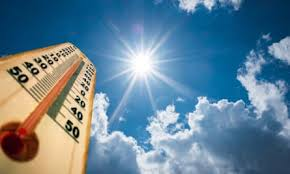
The sun appears to shine with greater intensity than before, prompting us to ask: what is truly happening to our planet?
The Reality of Global Warming
The phenomenon is attributed to global warming, an environmental issue that has increasingly drawn global concern. Global warming results from the accumulation of greenhouse gases—such as carbon dioxide, methane, and nitrous oxide—in the atmosphere. These gases trap heat from the sun, causing the Earth’s temperature to rise. While natural processes contribute to this effect, human activities have greatly intensified it. Human activities—such as illegal logging, improper waste disposal, excessive plastic use, and the unnecessary operation of electronic devices—have greatly accelerated environmental degradation.
Deforestation, for instance, reduces the planet’s ability to absorb carbon dioxide, while the burning of fossil fuels for energy releases vast amounts of greenhouse gases. Improper waste disposal, excessive plastic use, and the unnecessary operation of electronic devices further worsen the situation. Regrettably, the Earth is becoming less hospitable and pleasant to inhabit.
If left unchecked, global warming will continue to endanger both natural and human systems. Understanding our role in this crisis and identifying effective measures to address it are crucial steps toward environmental sustainability. As humans, we must reflect on our role in this crisis and determine appropriate actions to mitigate its effects.
The current environmental crisis serves as a reminder that human actions have a direct impact on the planet’s stability. Combating global warming requires individual and collective responsibility. Small steps—such as reducing plastic use, conserving electricity, planting trees, and supporting environmental policies—can collectively make a significant difference. The Earth is our shared home, and protecting it demands awareness, discipline, and a genuine commitment to sustainable living.
Human Responsibility for Environmental Preservation
One of the most effective ways to preserve the planet is through concrete environmental actions. Individuals can contribute by planting more trees, practicing the principles of the three Rs—Reduce, Reuse, and Recycle—and refraining from illegal activities such as hunting endangered or protected animals. Proper waste disposal, such as placing rubbish in designated bins, also plays a significant role in maintaining environmental cleanliness and sustainability. These actions, if practiced consistently, can collectively create a positive impact and make our planet a better place to live.
However, for many people, such initiatives remain mere slogans rather than genuine commitments. A large number of individuals still neglect these practices, showing little concern for their importance. Their indifference undermines the efforts of those who actively work to protect the environment. Therefore, raising environmental awareness is essential. Education, community engagement, and government campaigns can encourage more people to participate in sustainable practices. After all, if human beings—who possess the highest level of intelligence among living creatures—do not take responsibility for protecting the Earth, then who else will? The future of this planet depends on our collective awareness and action.
